Culture lessons explore the unspoken rules that shape how English is spoken — the holidays a native speaker assumes you know, the regional habits that change a single phrase's meaning, the etiquette that determines whether a conversation feels warm or rude. Vocabulary is only half of fluency. The other half is knowing what speakers leave out because everyone is supposed to know it.
These clips often surface what learners do not realize they are missing. A speaker might mention "the holidays" without specifying which ones, or refer to "upstate" assuming you know which state. Culture lessons turn these references into deliberate practice. You hear the reference, the exercise prompts you to notice it, and the cultural notes explain the context a native speaker grew up with.
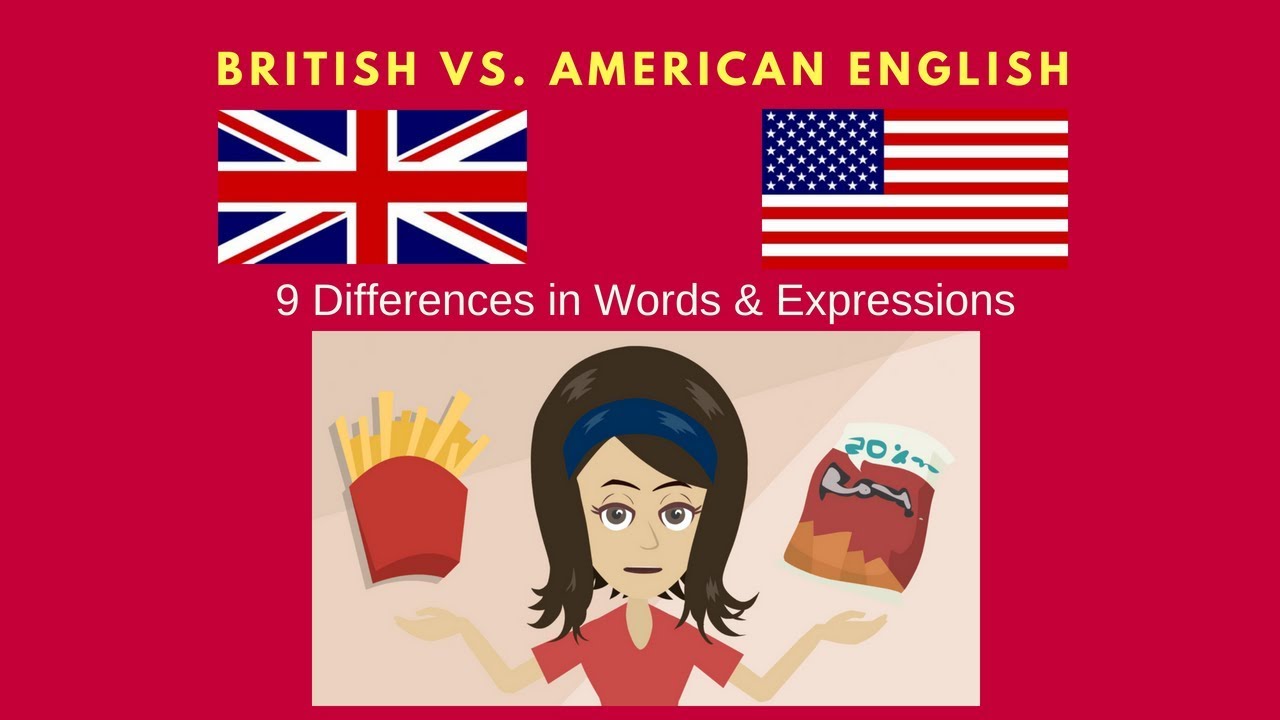
Expect content on regional traditions across the English-speaking world: British versus American versus Australian versus Indian English customs, food, holidays, and humor. The aim is not to memorize a cultural encyclopedia — it is to develop the instinct to recognize when a cultural reference is being made and to ask the right question instead of bluffing comprehension.