ListenLoop
CEFR Level A2

A2 — Elementary English Listening Practice

Everyday conversations, past tense, and your first real exposure to connected speech.

A2 is the level where listening shifts from survival to participation. You can understand frequently used expressions related to immediate relevance — basic personal and family information, shopping, local geography, employment — and you can follow short, simple exchanges between two speakers. The clips become a little longer, the speed picks up, and reduced forms like "gonna," "wanna," and "kinda" start appearing without warning. Your job at A2 is to stop treating them as mistakes and start hearing them as English.

An A2 listener has about 1,000–1,500 active words. That is enough for short conversations on familiar topics, but it is not yet enough to follow a story you cannot predict. A2 lessons at ListenLoop introduce past simple, future with "going to," and common modals like "can," "could," and "should" — the tenses you need to talk about what you did yesterday, what you will do tomorrow, and what you wish was possible. Expect dialogues set in cafés, classrooms, airports, and offices.

The biggest cognitive leap from A1 to A2 is sentence stress. English speakers do not pronounce every word with equal force; content words (nouns, main verbs, adjectives, adverbs) are loud and clear, while function words (articles, prepositions, auxiliary verbs) are quiet and quick. At A2, you may hear "I would have done it" as something closer to "I'd've done it." If you only listen for individual words, you will miss the sentence. If you listen for the stressed words, the function words fall into place around them.

Use A2 lessons to build pattern recognition. After completing a gap-fill, scan the transcript for repeated grammatical structures — questions with did, statements with going to, sentences with because. These patterns appear in almost every conversation you will ever hear. Recognizing them in slow practice now means recognizing them in fast speech later.

What to expect at A2

  • Clips of 1.5–3 minutes with two or three speakers.
  • Past, present, and future tenses mixed naturally.
  • Common reductions: "gonna," "wanna," "gotta," "kinda."
  • Topics: travel, work, hobbies, daily routines, plans.
  • Beginning idioms ("take care," "by the way," "no problem").

Where learners commonly struggle

  • Distinguishing past simple from past participle in fast speech.
  • Hearing contractions of "have" ("I've," "could've," "would've").
  • Following questions where the subject and verb invert quickly.
  • Catching the first second of a sentence after a speaker change.

How to practice at A2

At A2, alternate two kinds of sessions. On one day, do a new lesson all the way through — gap-fill, true/false, open questions — accepting that you will get some answers wrong. On the next day, return to a lesson you finished a week ago and try to complete the gap-fill without looking at the transcript. The second session is where retention happens. After two or three weeks of this rotation, lessons that felt hard will start to feel manageable, and you will be ready to test yourself on B1 material.

A suggested sequence for new A2 learners. Work through these in order before branching into topics that interest you.

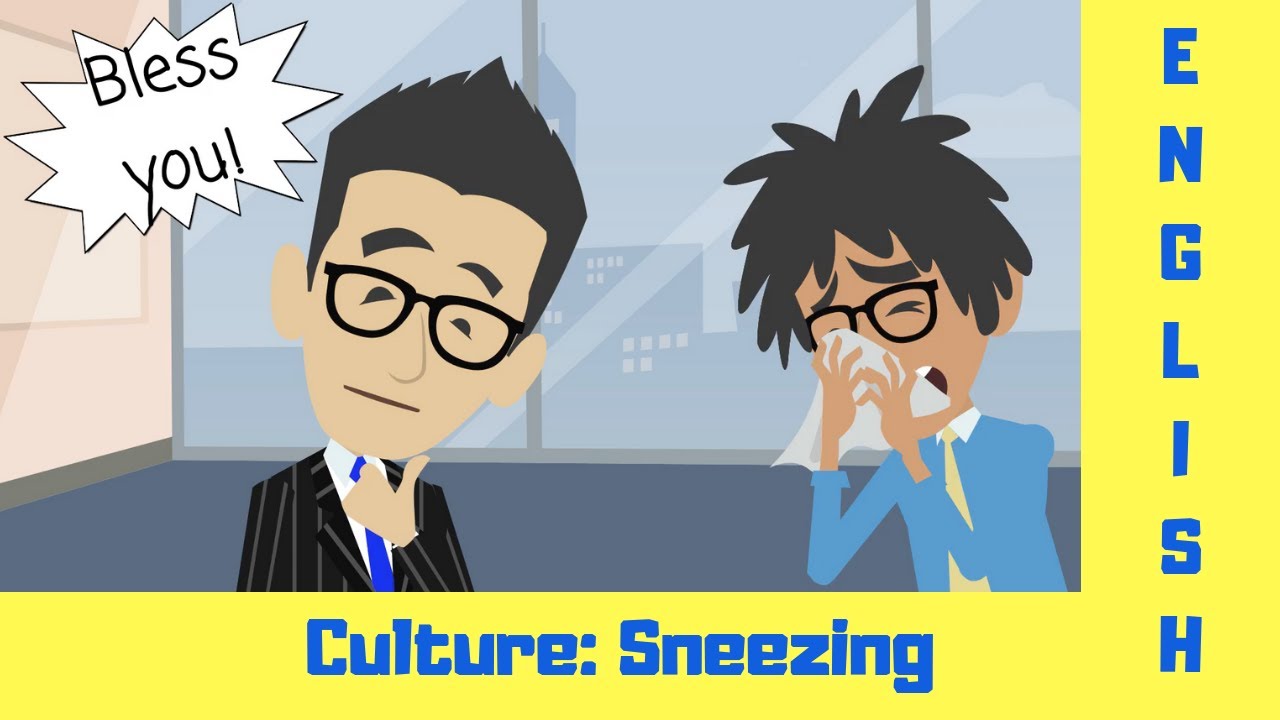
  1. 1.A Lesson about Sneezing
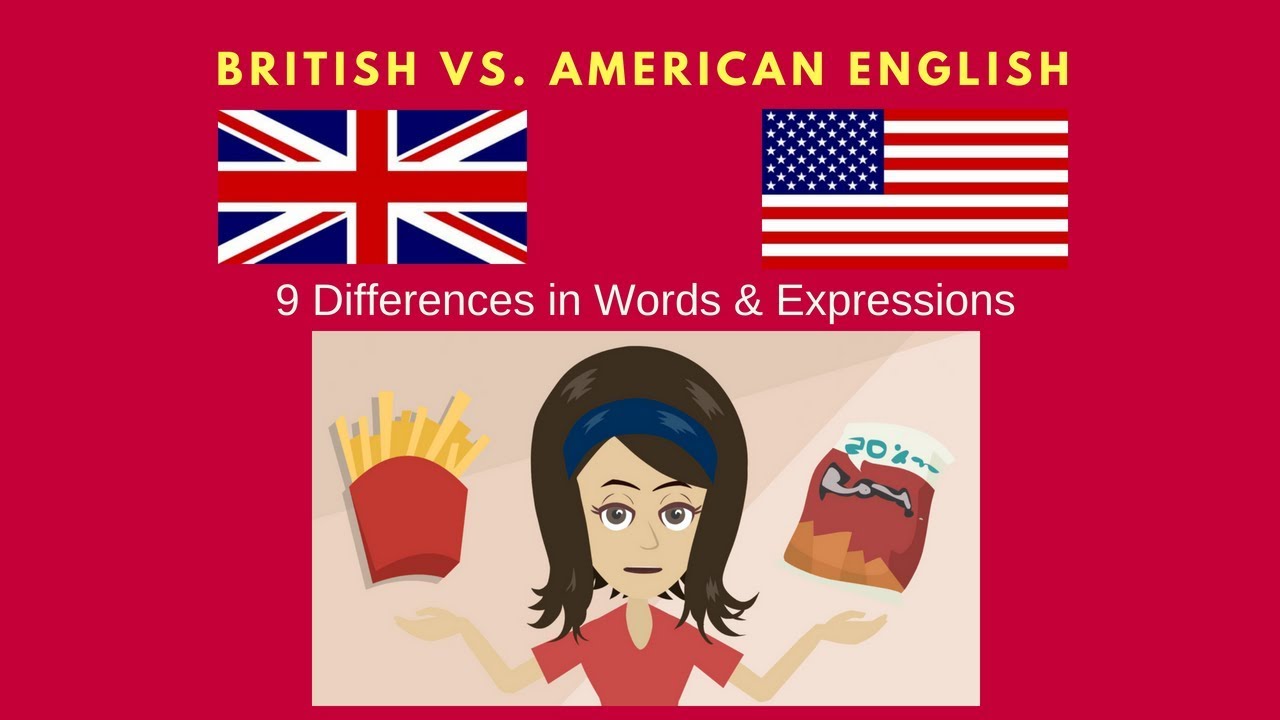
  2. 2.British English vs. American English
  3. 3.Everybody Knows - Sigrid
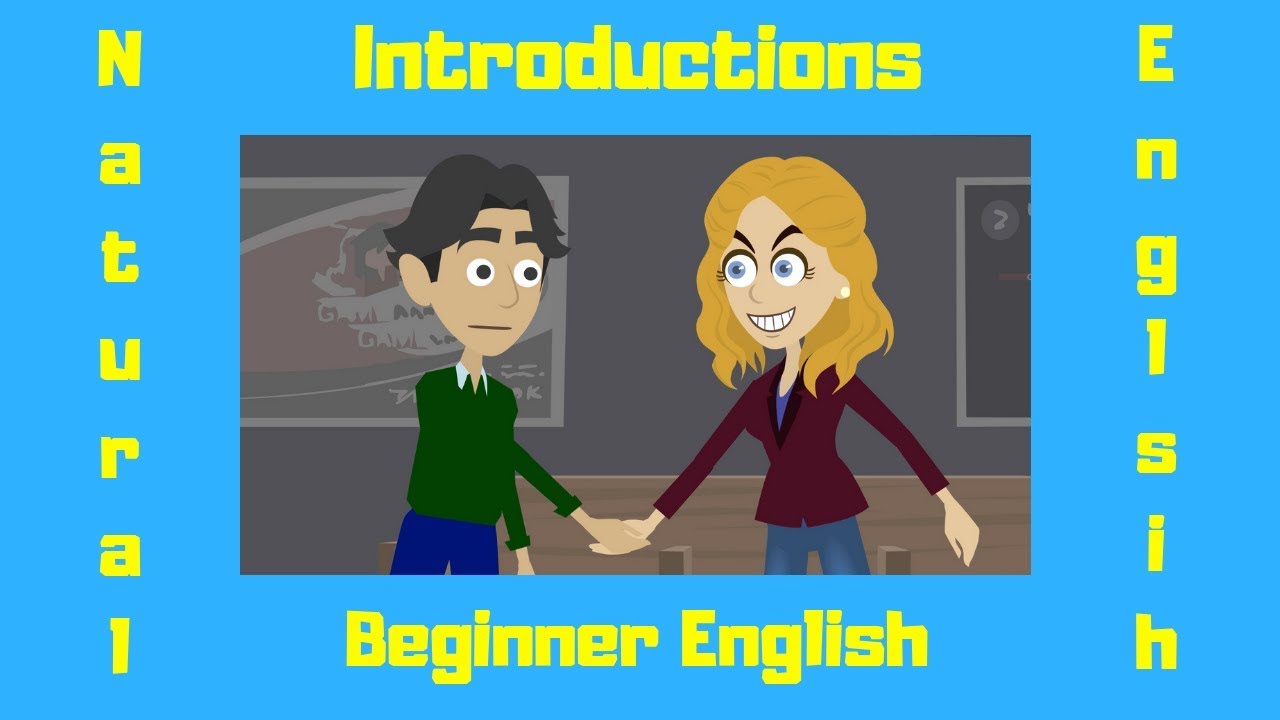
  4. 4.How to Introduce yourself
  5. 5.Kevin's Small Talk - The Office
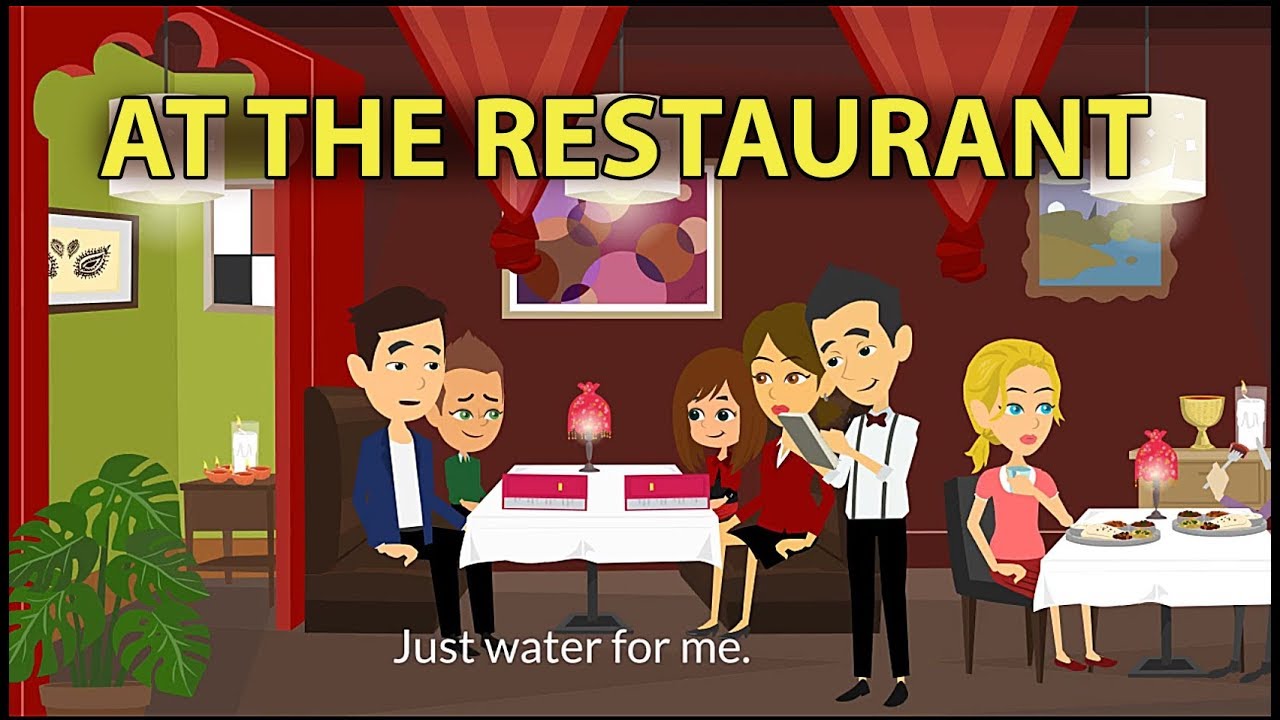
  6. 6.Ordering Food at a Restaurant

All A2 lessons

EnglishLevel A2YouTube · 02:32
EnglishLevel A2YouTube · 01:38
EnglishLevel A2YouTube · 02:13
EnglishLevel A2YouTube · 03:26
EnglishLevel A2YouTube · 04:20
EnglishLevel A2YouTube · 05:05
EnglishLevel A2YouTube · 04:56
EnglishLevel A2YouTube · 04:48